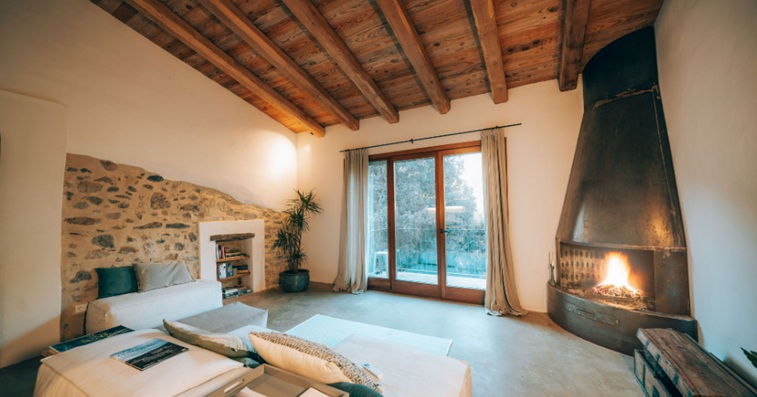
Pick-up from Figueres-Vilafant railway station, or arrival by car. After settling in our rooms, we'll get acquainted and discuss the programme for the following day.
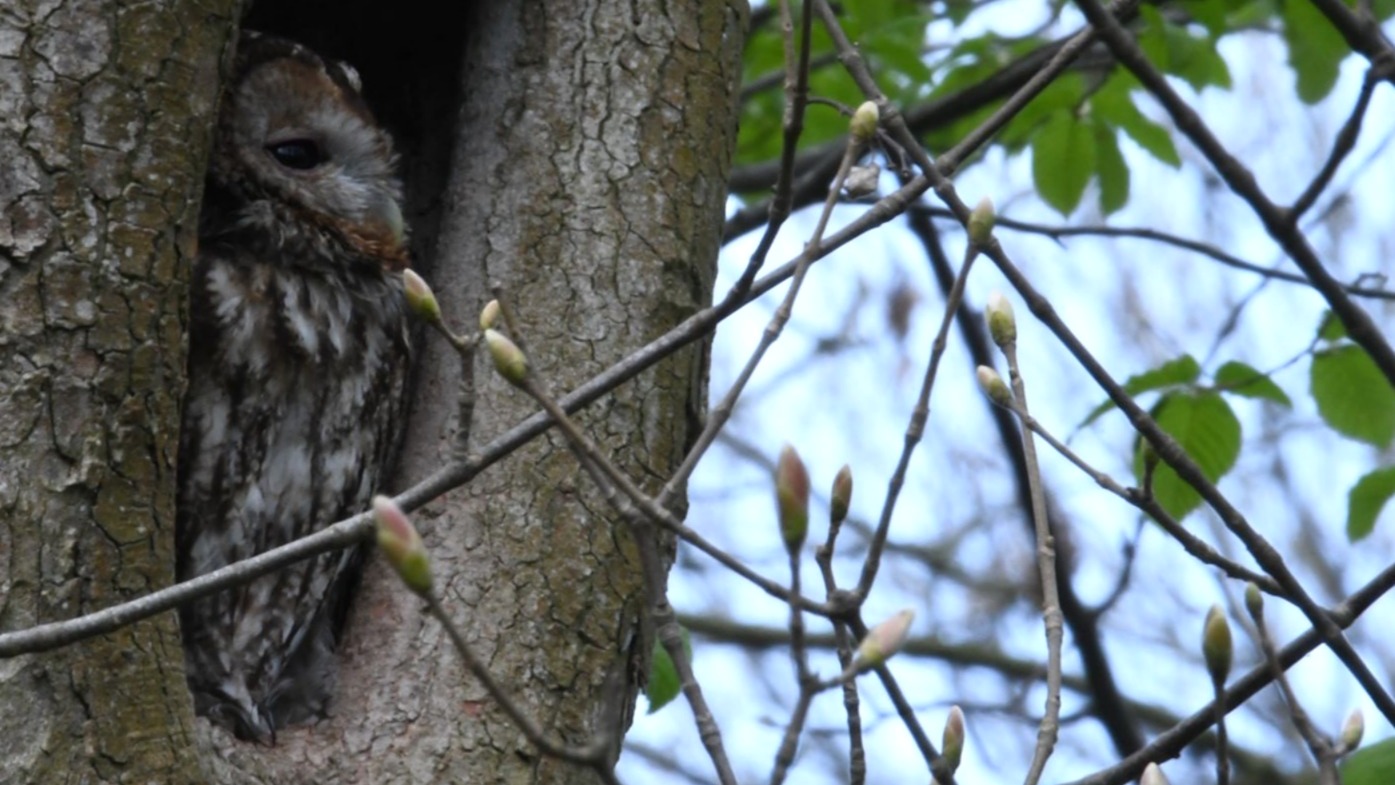
In the evening, we will take a short walk along the Muga river that runs right next to Mas Nou. After sunset, we will listen for nocturnal birds such as European Nightjar and Tawny Owl.
Sunday – Alta Garrotxa
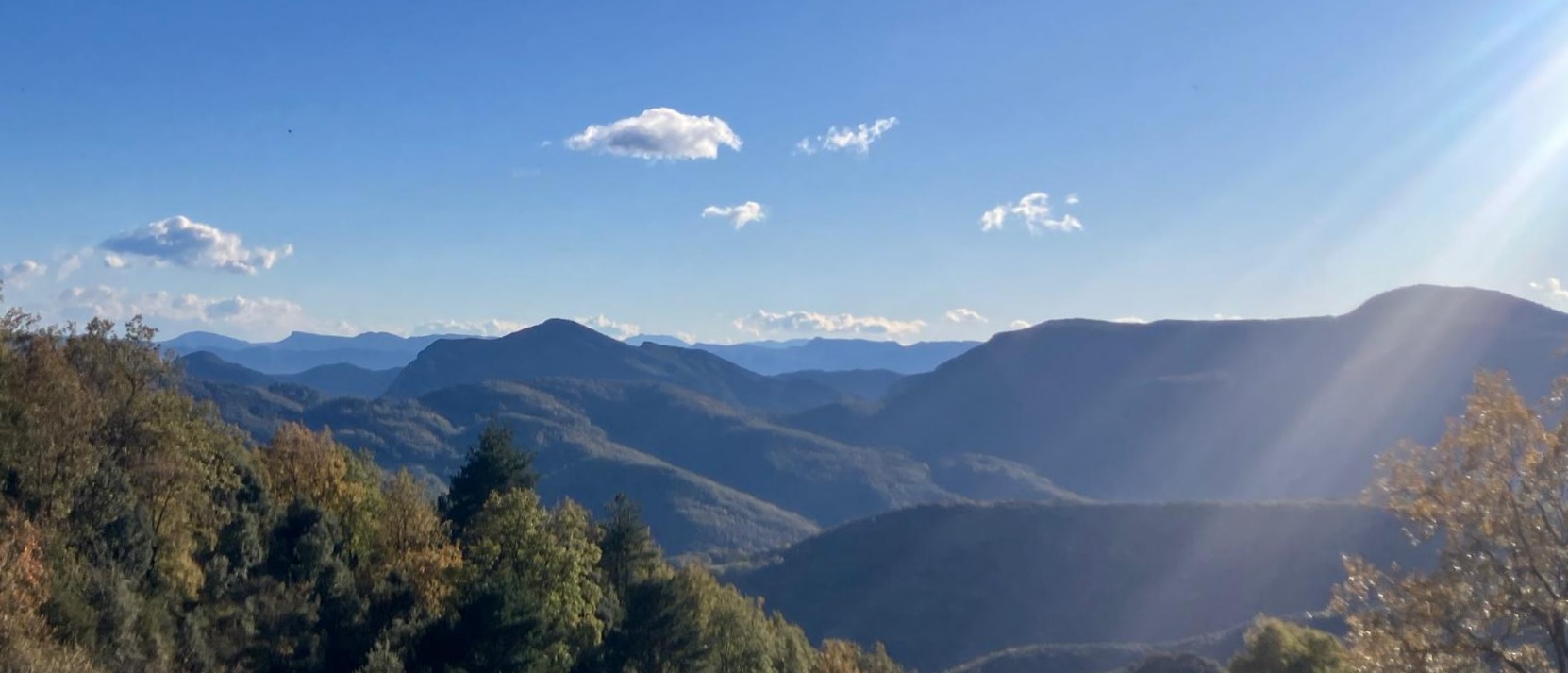
Alta Garrotxa offers stunning scenery with rivers, canyons and caves. Here we can expect typical woodland species such as Bonelli's Warbler and Golden Oriole. We'll visit orchards and pastures where we can expect species such as Wryneck, Melodious Warbler and Rock Bunting.
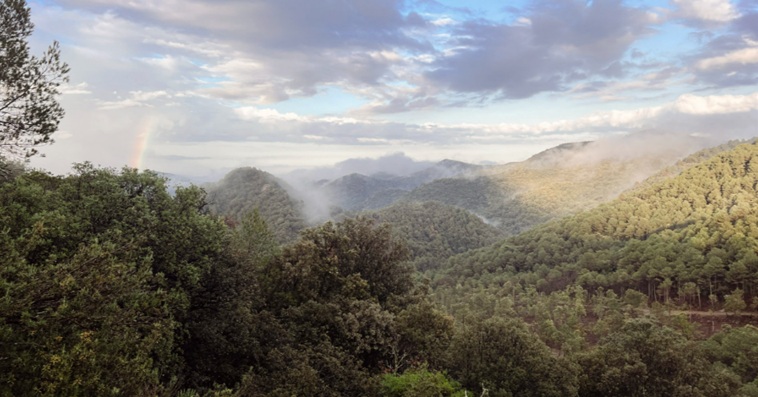
Alta Garrotxa
We will have lunch at a viewpoint where we will look out for raptors such as Booted Eagle, Short-toed Snake Eagle, Golden Eagle and Griffon Vulture. After the walk we will do our shopping in Figueres for the rest of the week. Along the way we will stop at places where we have a chance of seeing farmland birds such as Montagu's Harrier, European Roller, Hoopoe, European Turtle Dove and Woodchat Shrike.
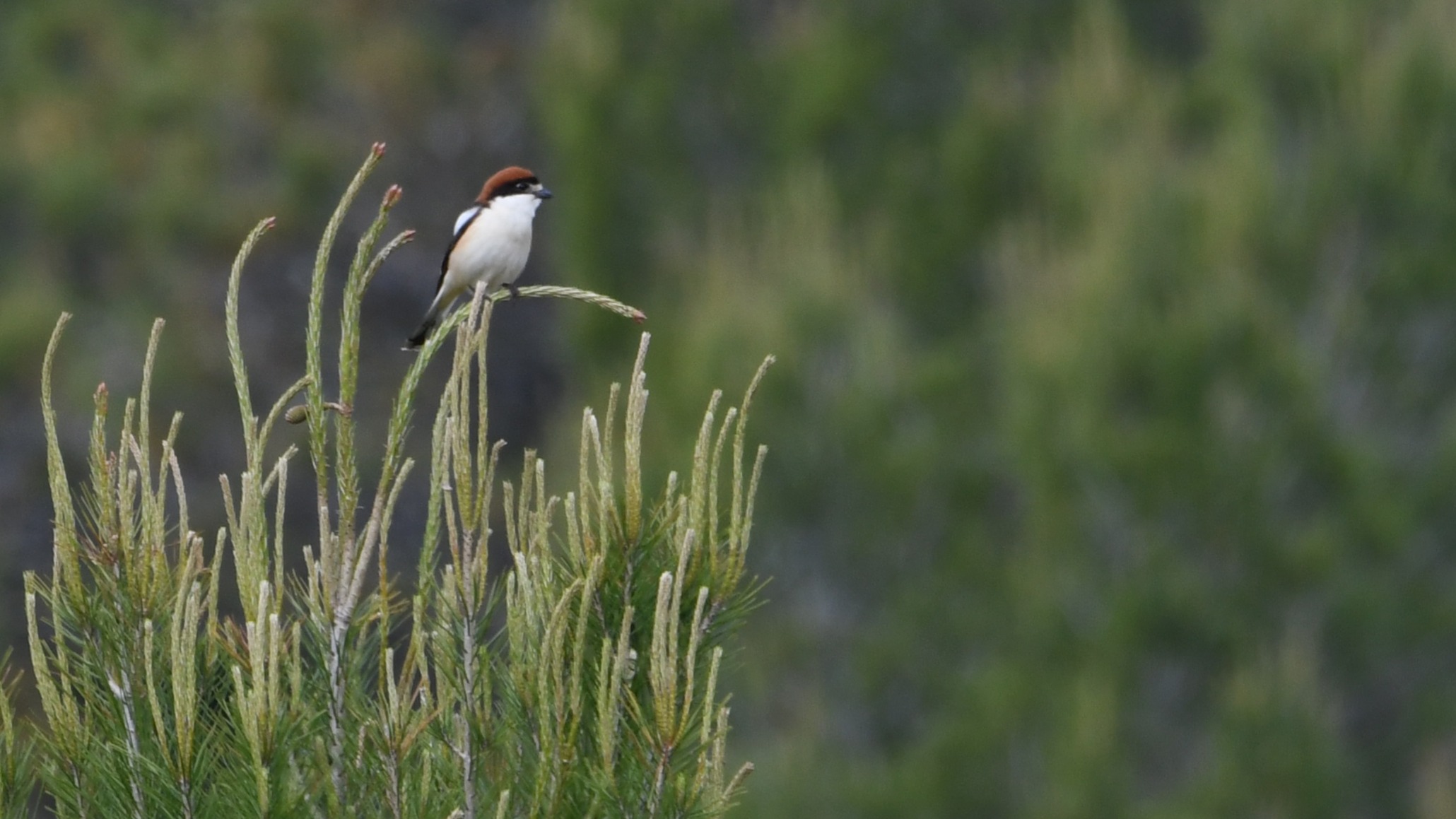
Woodchat Shrike
Monday – High mountains in Capçaleres del Ter i del Freser
On the way there we will stop at a place where we can see White-throated Dippers. We will then continue to an altitude of around 2000 metres. Here we have a chance of seeing Red-billed Chough, Griffon Vulture, Bearded Vulture, Rock Bunting and Citril Finch.
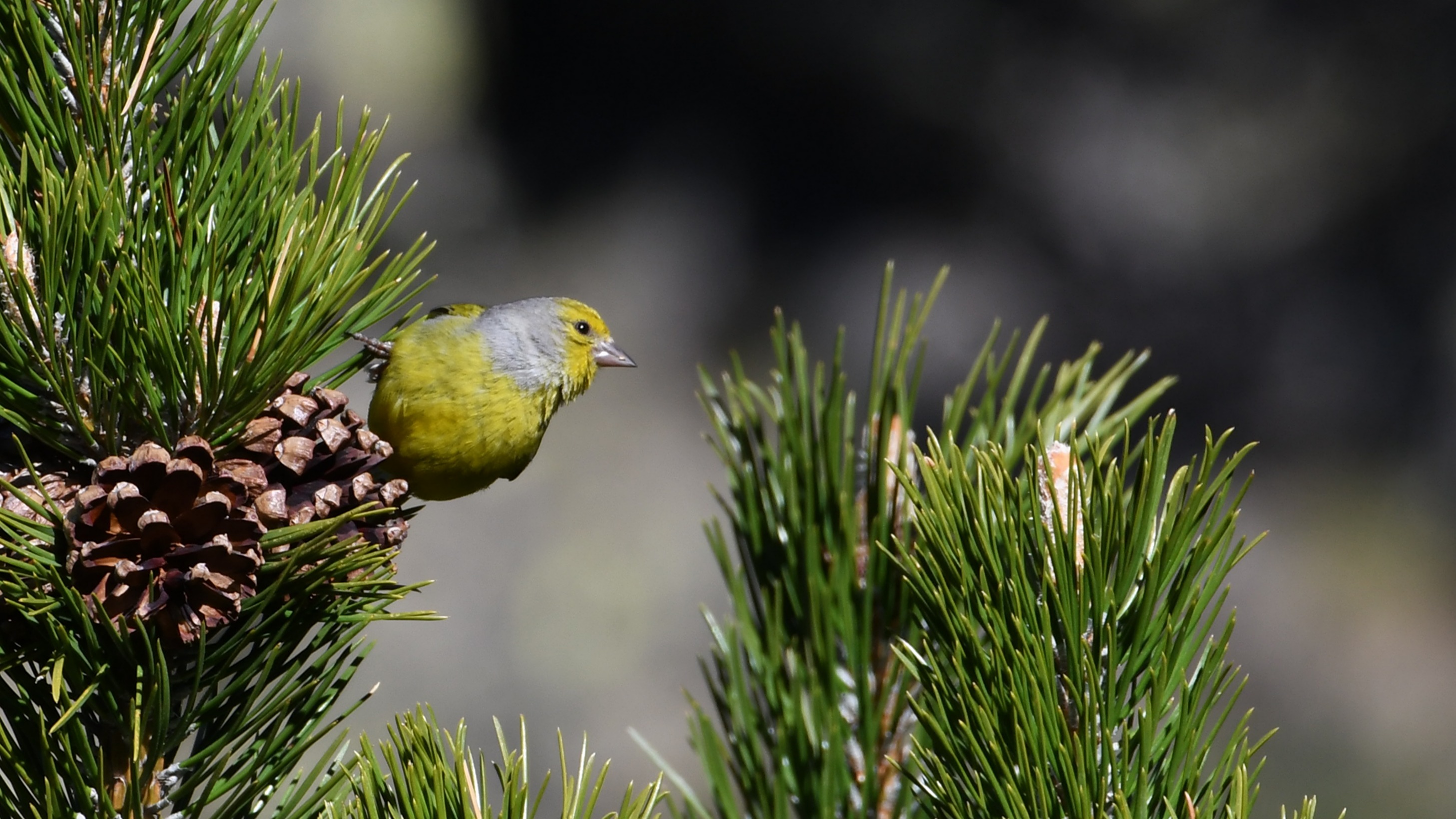
Citril Finch
Our certified mountain guide Bastiaan will take us towards one of the peaks. If conditions allow, we will try to get above 2400 metres. From this altitude we have a small chance of seeing a number of rare high-mountain species, such as Wallcreeper, Rufous-tailed Rock Thrush, Alpine Accentor, Alpine Chough and Rock Ptarmigan. Whether we can reach this altitude strongly depends on the amount of snowfall during the winter.
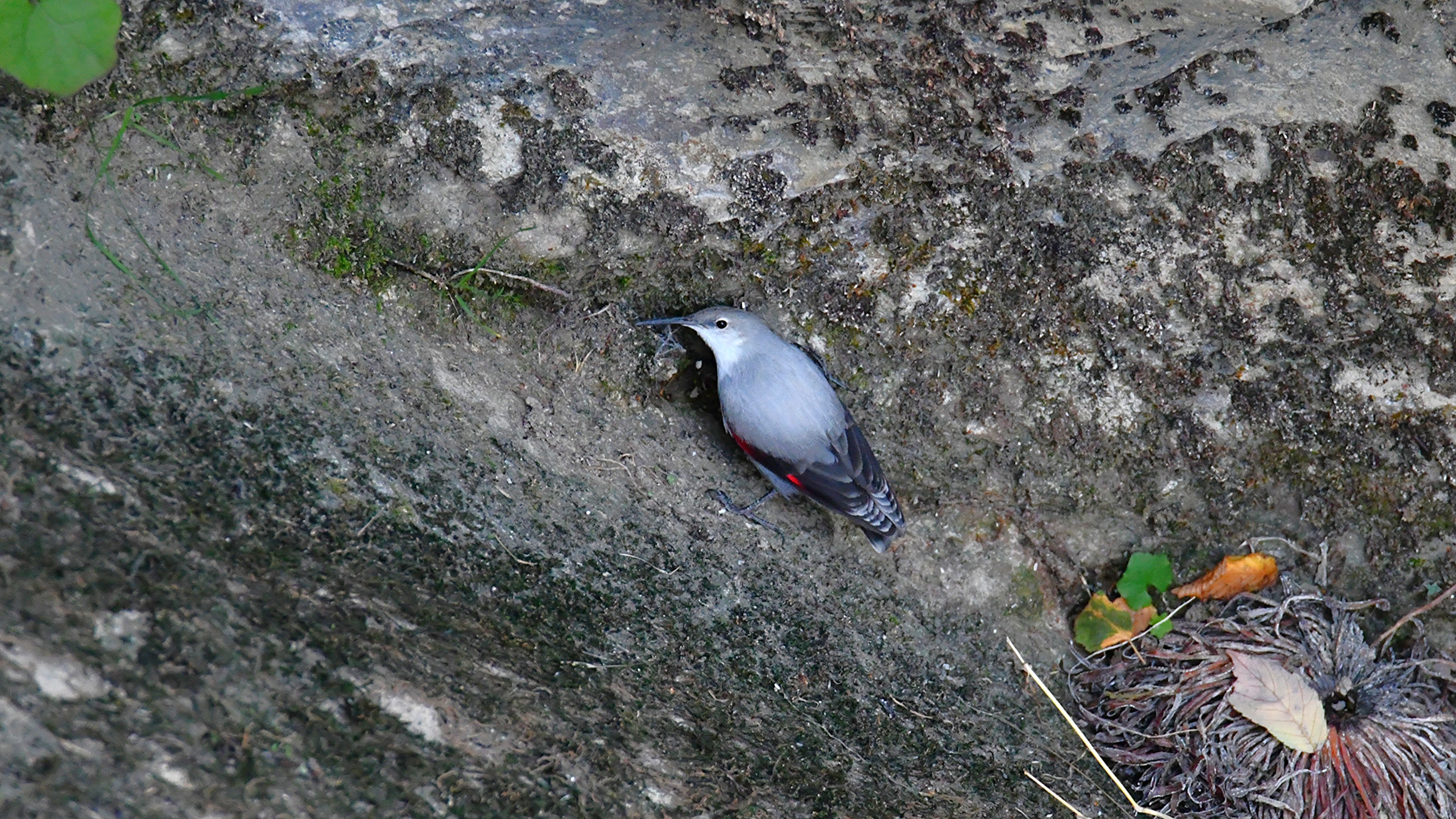
Wallcreeper
Tuesday – Aiguamolls de l'Empordà
Aiguamolls is where the Muga and several other rivers flow into the Mediterranean Sea. This area is very rich in birds and has several hides and viewing screens. European Bee-eaters breed here, and we can see many other interesting species such as Black Kite, Hoopoe, Golden Oriole, Great Reed Warbler, Crested Lark, Glossy Ibis, Black-winged Stilt and Squacco Heron.
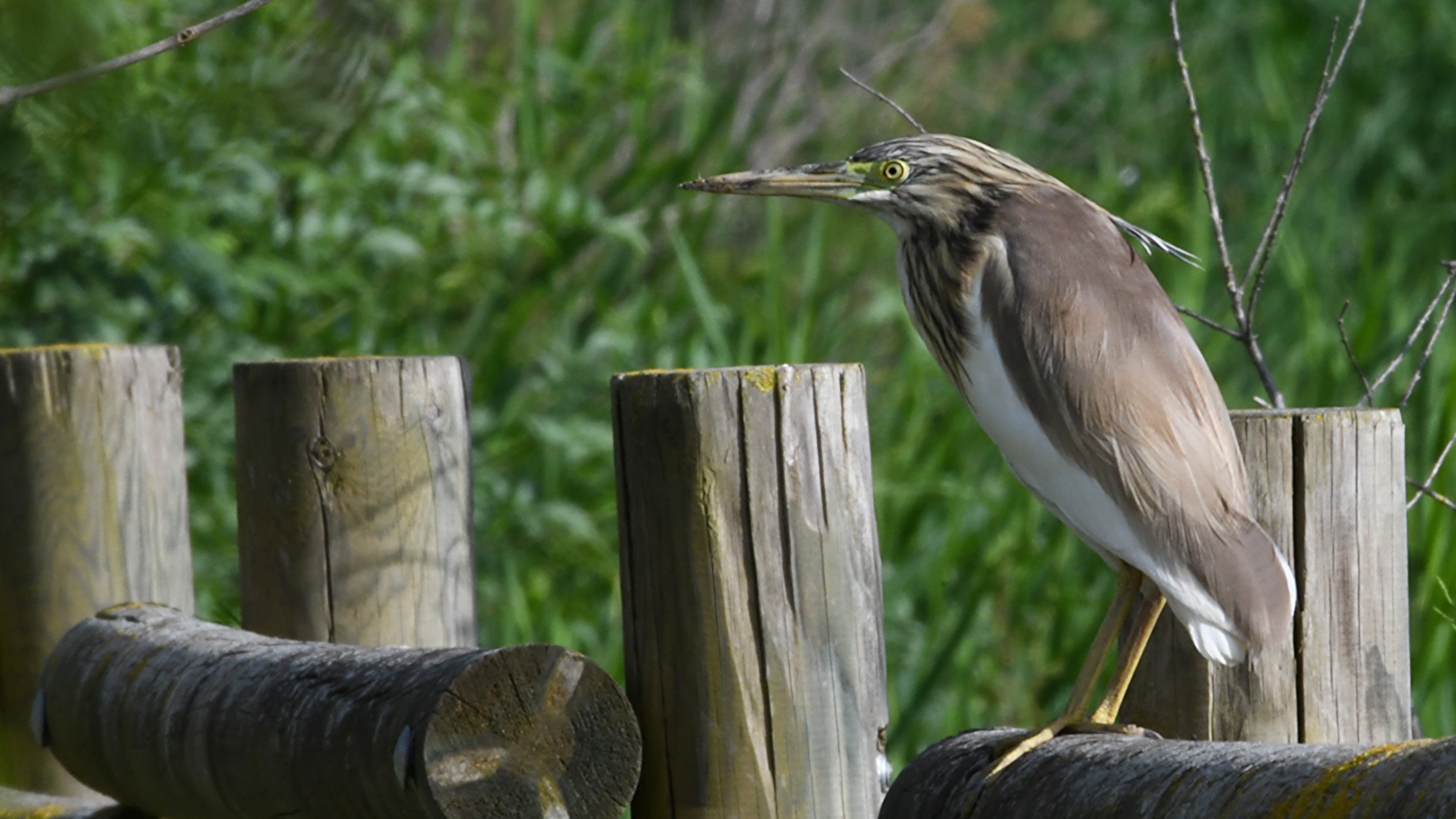
Squacco Heron
Wednesday – Vulture feeding station part 1 and Falaise de Leucate (France)
Our friends at Brugarol and the Pioneers of Our Time Foundation set up a vulture feeding station nearby. Because space in the hide is limited, we will split the visit over two mornings. The other half of the group will have a free morning.
We will certainly see Griffon Vultures and Ravens, and we also have a good chance of Black Kite and Egyptian Vulture. With a great deal of luck, a Bearded Vulture or even a Cinereous Vulture may appear. We also have a chance of seeing interesting fly-by species such as Booted Eagle and Alpine Swift.
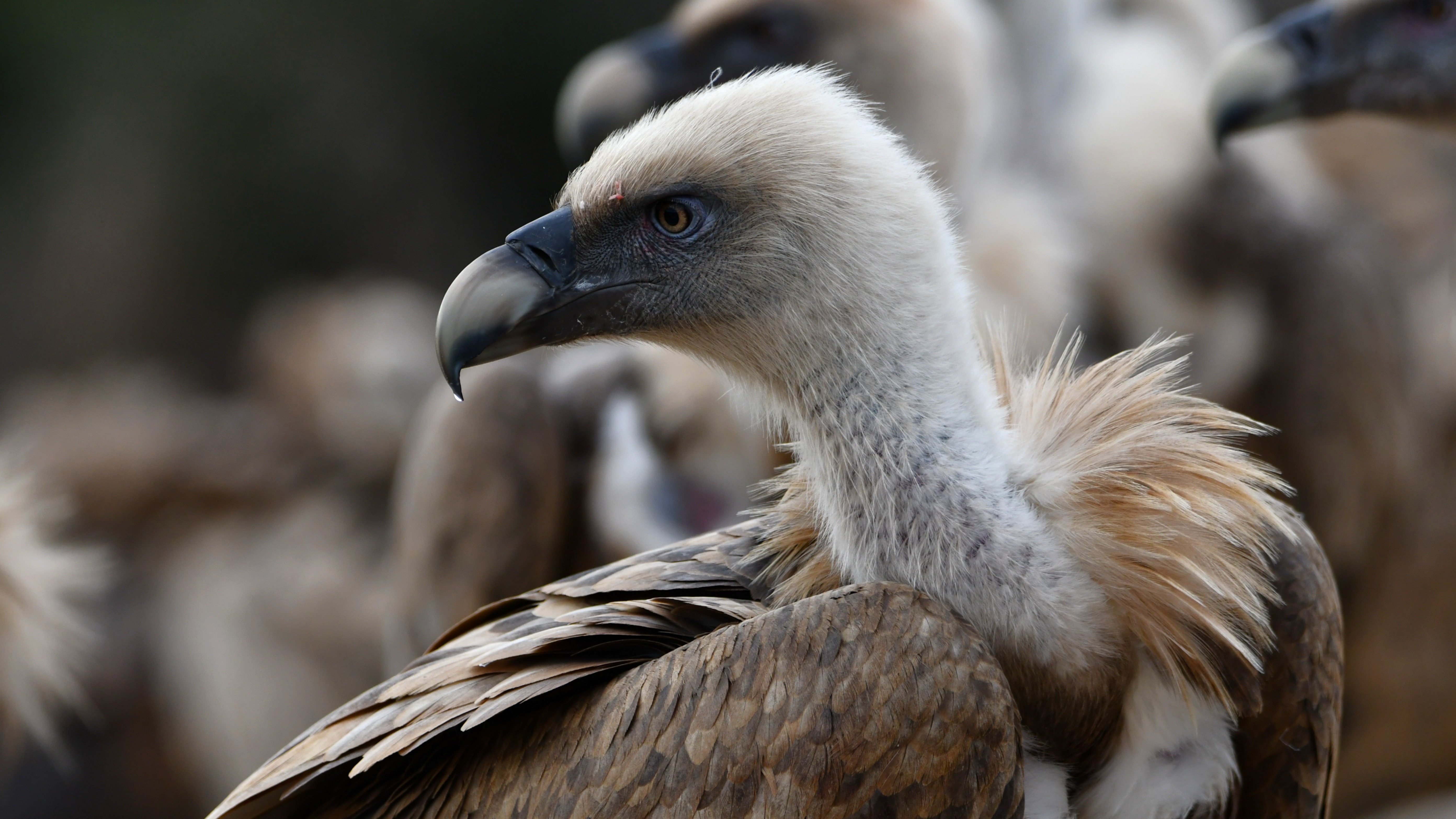
Griffon Vultures at a vulture feeding station
After lunch we will go with the whole group to Falaise de Leucate. This is a spectacular cliff along the Mediterranean Sea and a well-known migration watchpoint where many species cross in spring, such as European Bee-eater, European Serin, Mediterranean Gull, Glossy Ibis, Greater Flamingo, Lesser Kestrel and European Honey Buzzard. We can also see interesting local species, including Scopoli's and Yelkouan Shearwater, Northern Gannet, Great Spotted Cuckoo, Woodchat Shrike and Pallid Swift.
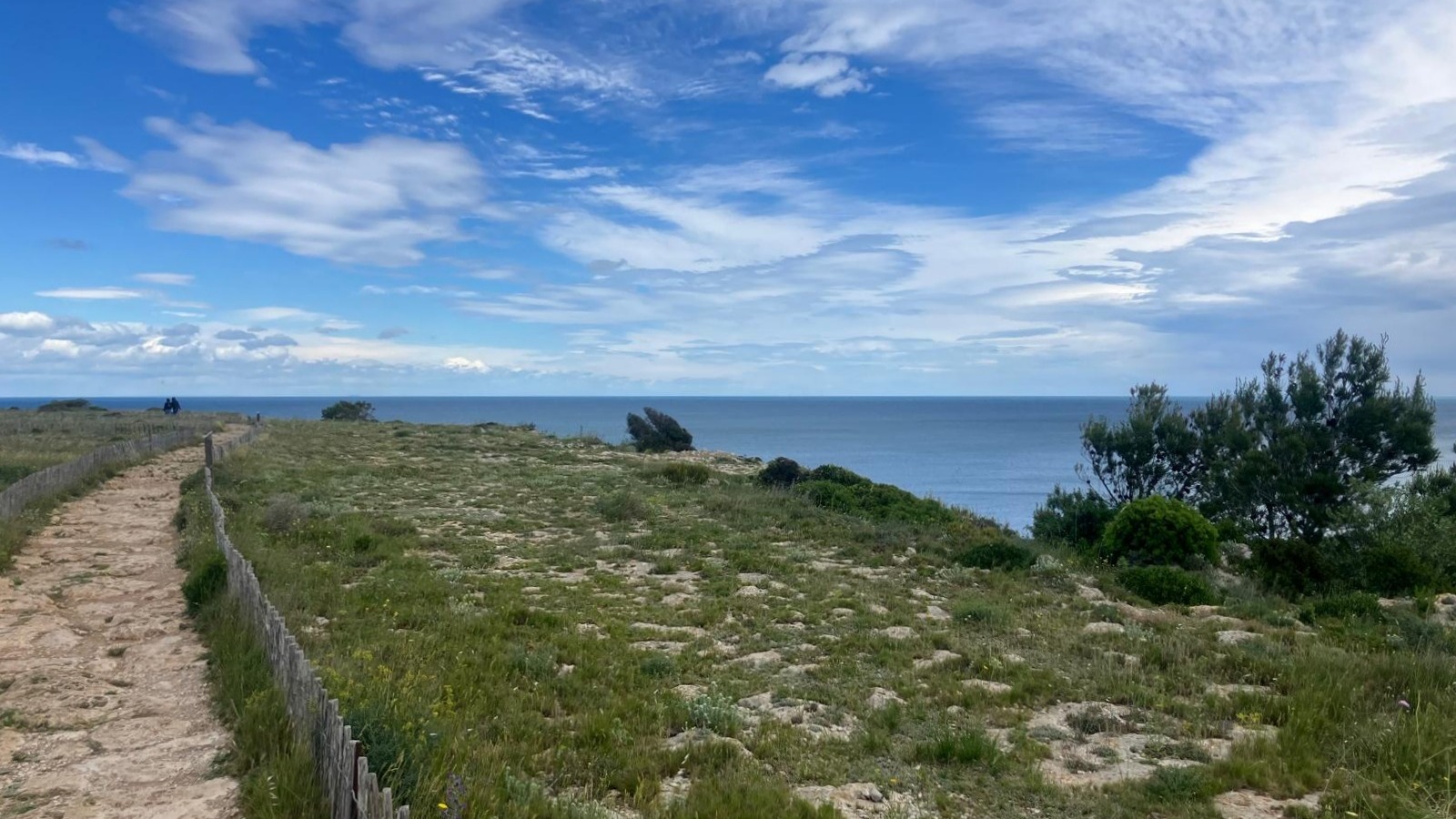
Falaise de Leucate
Thursday – Estany de Vilaüt and Cap de Creus
On the last full day we will go to Cap de Creus, a spectacular rocky coastline with typical Mediterranean scrub. On the way we will stop at Estany de Vilaüt, a lake with a bird hide. Here we have a chance of species such as Greater Flamingo, Glossy Ibis, Cattle Egret, Purple Heron, Wood Sandpiper, Collared Pratincole, Stone-curlew and Black-winged Stilt.
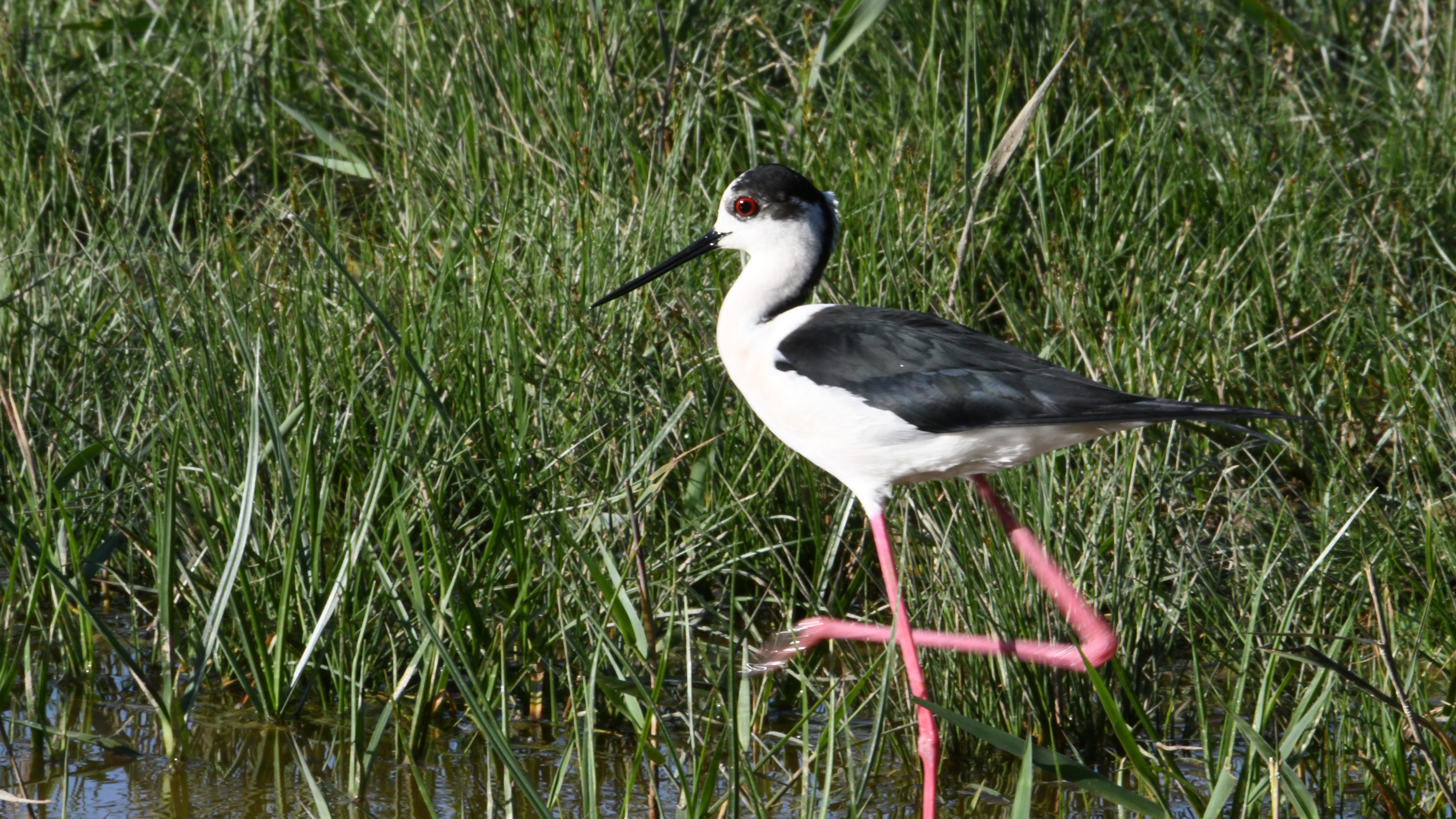
Black-winged Stilt
In Cap de Creus we will make a circular walk through the garrigue to the easternmost point of mainland Spain, looking for species such as Western Black-eared Wheatear, Blue Rock Thrush, Rufous-tailed Rock Thrush and several warbler species. We also have a chance of Bonelli's Eagle and seabirds such as European Shag and three species of shearwater.
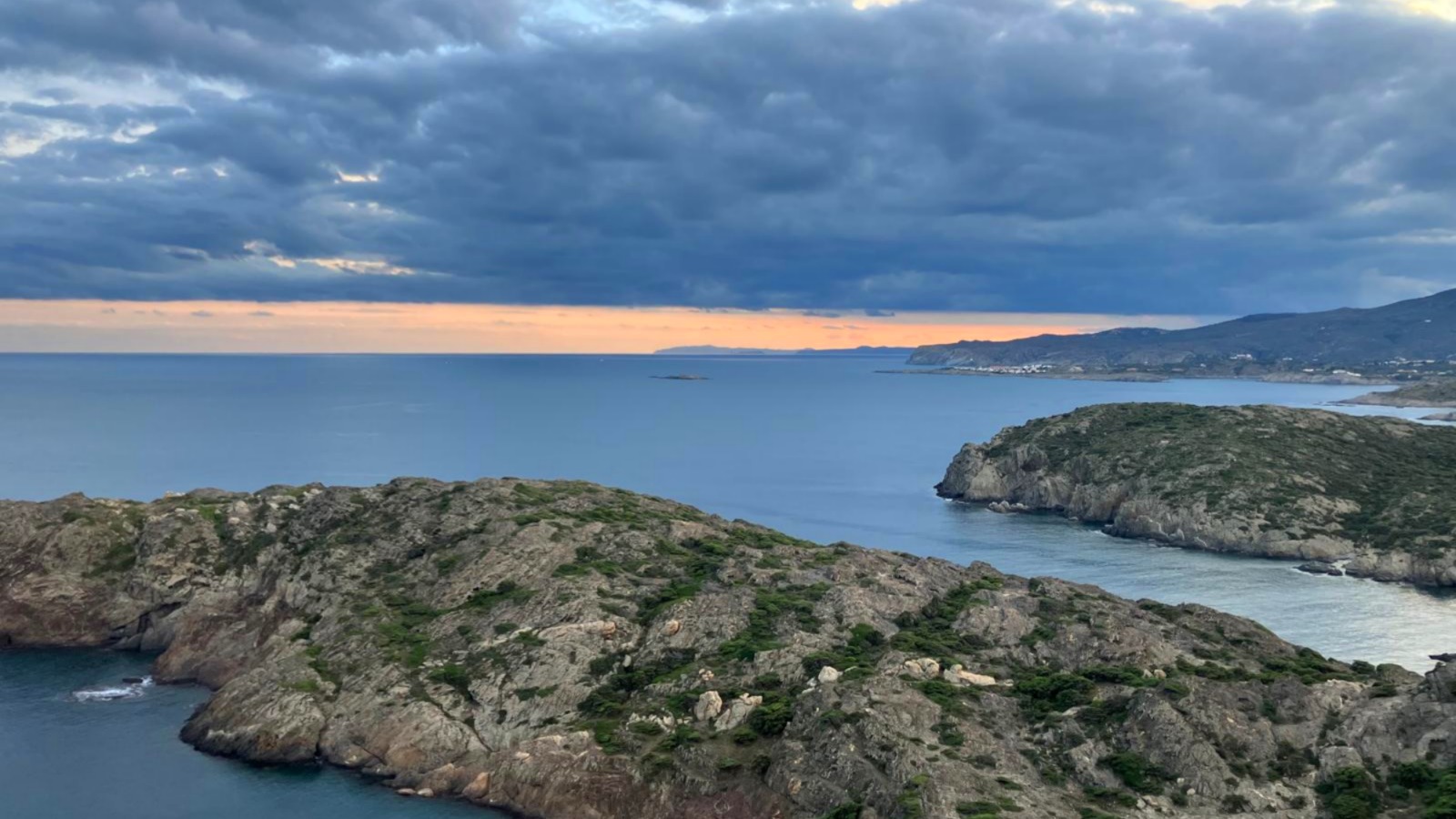
Cap de Creus at sunset
Friday – Vulture feeding station part 2 and the Albera Massif
In the morning the other half of the group will visit the vulture feeding station, while the rest of the group has free time. After lunch we will go with the whole group to the low mountains of the Albera Massif.
Here we will visit several habitats: a lake, traditional farmland and garrigue, the Mediterranean scrubland. We have a chance of species such as Alpine Swift, Great Spotted Cuckoo, Lesser Kestrel, Eurasian Wryneck, Woodchat Shrike, Red-rumped Swallow and Thekla's Lark.
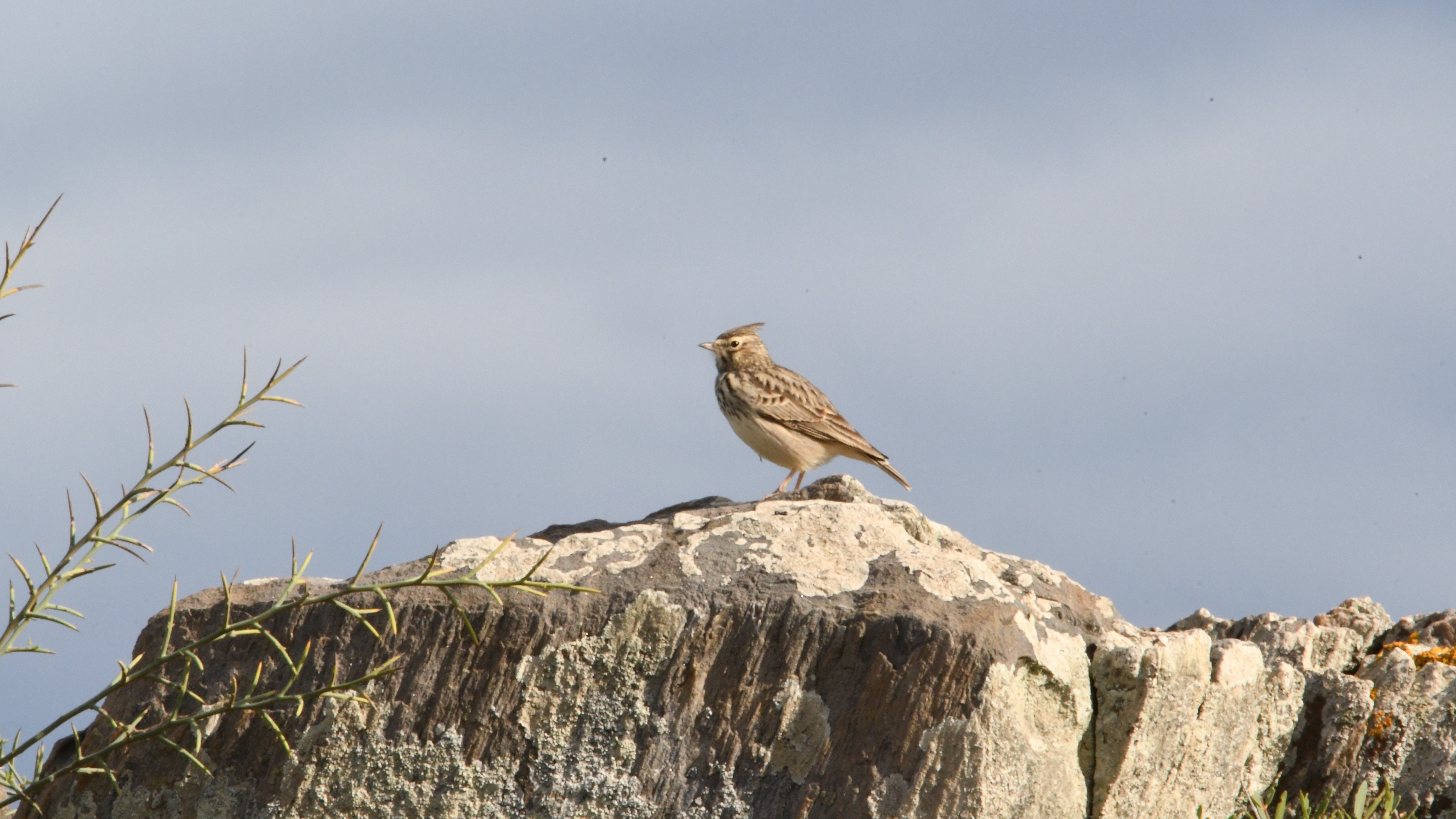
Thekla's Lark
Saturday – Farewell and departure
In the morning we will say farewell to Mas Nou and its beautiful surroundings. If you would like to spend one or more extra days in the area, please arrange this beforehand with Brugarol.